Party Now, Apocalypse Later Industries

Where creativity went when it said it was going out for cigarettes.
  • Home
  • BOOKS
    • THE ONCE AND FUTURE ORSON WELLES
    • IF ANY OF THESE STORIES GOES OVER 1000 WORDS...
    • ORSON WELLES OF MARS
    • THE DEVIL LIVES IN BEVERLY HILLS
    • A LOSS FOR NORMALCY
    • RIGHT - A NOVEL OF POLITICS
  • PODCASTS
    • THE HOLODECK IS BROKEN
    • THE FOURTH WALL
    • Beyond the Cabin in the Woods
    • FRIENDIBALS! - TWO FRIENDS TALKING ABOUT HANNIBAL LECTER
    • As The Myth Turns
    • DISORGANIZED! A Criminal Minds Podcast
  • MOVIE REVIEWS
  • BLOGS AND MORE
    • Bloggy B Bloggington III, DDS
    • THE HOLODECK IS BROKEN BLOG
    • REALLY GOOD MAN!
  • Home
    • THE ONCE AND FUTURE ORSON WELLES
    • IF ANY OF THESE STORIES GOES OVER 1000 WORDS...
    • ORSON WELLES OF MARS
    • THE DEVIL LIVES IN BEVERLY HILLS
    • A LOSS FOR NORMALCY
    • RIGHT - A NOVEL OF POLITICS
    • THE HOLODECK IS BROKEN
    • THE FOURTH WALL
    • Beyond the Cabin in the Woods
    • FRIENDIBALS! - TWO FRIENDS TALKING ABOUT HANNIBAL LECTER
    • As The Myth Turns
    • DISORGANIZED! A Criminal Minds Podcast
  • MOVIE REVIEWS
    • Bloggy B Bloggington III, DDS
    • THE HOLODECK IS BROKEN BLOG
    • REALLY GOOD MAN!

A Blog About Watching Movies (AKA a Blog in Search of a Better Title)

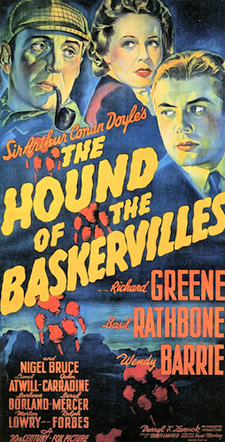
The Hound of the Baskervilles (1939)

Mac Boyle March 24, 2026

Director: Sidney Lanfield

Cast: Basil Rathbone, Nigel Bruce, Richard Greene, Wendy Barrie

Have I Seen It Before: Sure.

Did I Like It: I keep thinking that certain types of stories, certain types of characters, are better suited to certain formats, with a few outlying exceptions. Batman works best in a comic book. Star Trek works best in hour-long television. Star Wars works best in rare, event movies.

Is it possible that Sherlock Holmes just works best in novels and short fiction?

Maybe.

Things are a little light here, and that’s to be expected from the studio system trying to jam a entire book into 80 minutes. Even a bad movie from 1939 has the charm of flickering in black and white and generally seeming as if it sprung whole-cloth from an untroubled* era.

Rathbone and Bruce seem tentative in their roles, but I wonder if I simply never thought much of the pair as Holmes and Watson, even if so many performers who followed are simply doing impressions of them.

The problem might be that one of the things filtered out of these Doyle adaptations is Holmes’ eccentricities. Subsequent pastiches and re-workings make Holmes to be brilliant, but erratic. Here, Holmes is merely a Smart Guy, and Watson—the only one with any actual training—is a bumbling fool.

Maybe they get better in the roles, but considering they had to grind out two Holmes pictures a year for the next seven years, I can’t imagine the assembly line mentality recommends the subsequent films any more than this first effort. The truth might be that those among you who might want to indulge in a does of classic Holmes should eschew Turner Classic Movies** in favor of the Doyle canon.

Or opt for some of the Nicholas Meyer books. There, now I’m back to my good old self.

*But, ultimately, entirely troubled.

**Gods of Cinema, what am I saying?!
Tags the hound of the baskervilles (1939), sherlock holmes movies, rathbone bruce sherlock movies, basil rathbone, nigel bruce, richard greene, wendy barrie
Comment
9793C9A5-AA8C-41B3-B04F-EA1FC913B320.jpeg

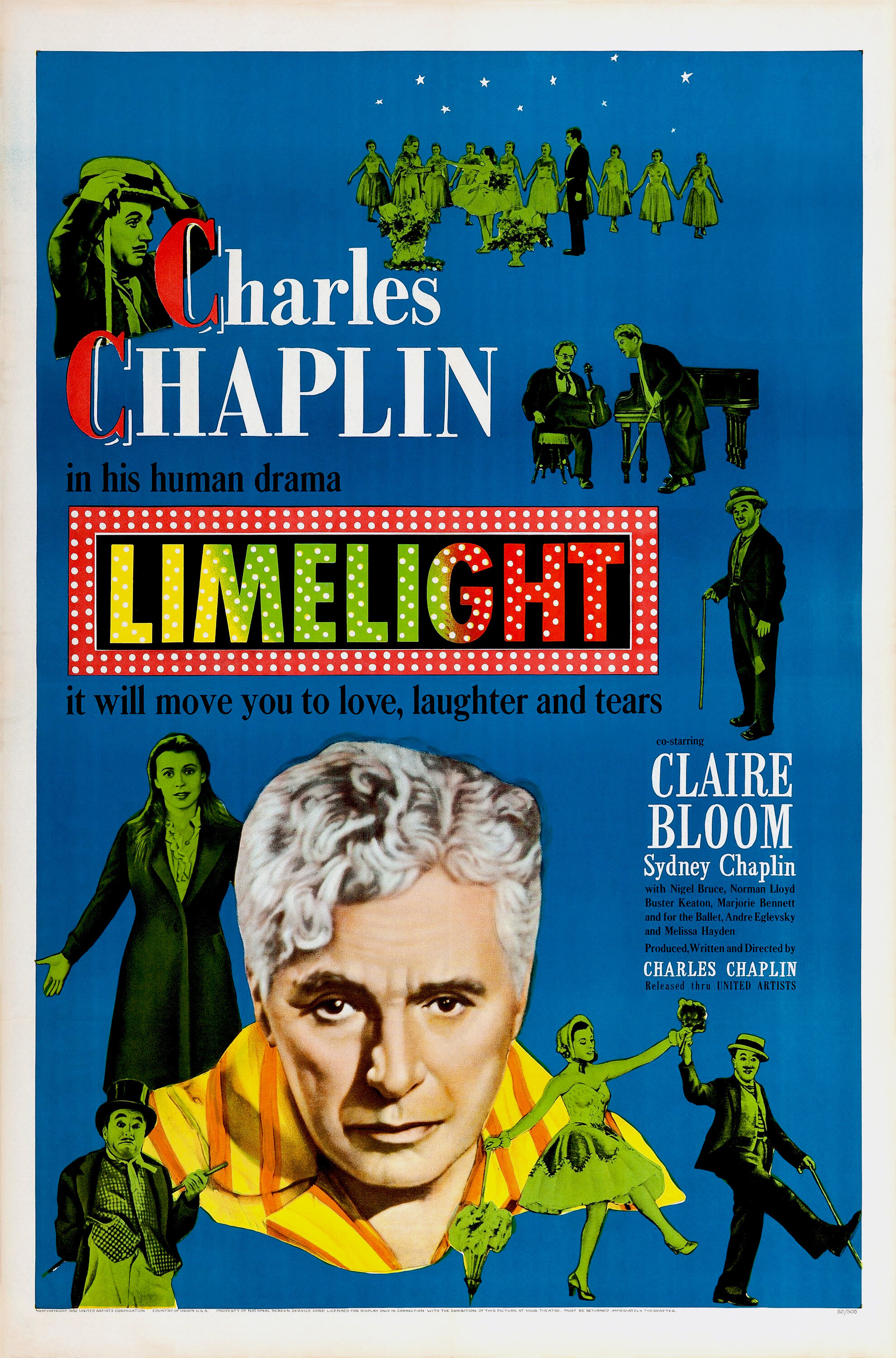
Limelight (1952)

Mac Boyle October 20, 2020

Director: Charles Chaplin

Cast: Charles Chaplin, Claire Bloom, Nigel Bruce, Buster Keaton

Have I Seen it Before: Sure. Hell, I predicated a few elements of some work I’ve done in years past on it.

Did I Like It: In the pantheon of late-period (read: talkie) Chaplin films, I’m tempted to say it resides in the middle of the pack. It isn’t the clever deconstruction of his previous work, like Modern Times (1936)*. It isn’t the resounding, moral, and political satire that is The Great Dictator (1940). It isn’t the absolutely nihilistic black comedy of Monsieur Verdoux (1947)**.

But it is fascinating.

The immediate read of the film is to view it as the most autobiographical of Chaplin’s work. Chaplin himself rejected that interpretation as shallow and fundamentally wrong, and I tend to agree for the most part. The tale of an intermittently successful stage comedian down on his luck is not his story. Even in exile, there was hardly a soul who would claim he wasn’t the top film comedian of his or any other age. The thought that Calvero is an analogue for the largely absent Charles Chaplin Sr. is easy to see. The sometimes inadequate love he has for the fragile and occasionally self-destructive Terry (Bloom) has a clear connection to Chaplin’s poor mother.

That being said, it’s hard not to look at Terry and also see just a bit of Oona in her as well. Is this film a quiet confession that he thought his final wife might have been happier with a younger man? Hard to say, but trying to read that much into the film is probably missing the point. How many times were you going to get an opportunity to see Chaplin and Buster Keaton share the screen?

*A hybrid talkie, to be sure, but definitely Chaplin’s first, begrudging step into the technological standard of film from then on.

**A challenging films to watch and, for that matter, spell. If I didn’t have to do it several dozen times in a previous work, I may never have gotten the hang of it without having to look it up.

Tags limelight (1952), charlie chaplin movies, charlie chaplin, claire bloom, nigel bruce, buster keaton
Comment

Powered by Squarespace

Party Now, Apocalypse Later Industries

Where creativity went when it said it was going out for cigarettes.

Where creativity went when it said it was going out for cigarettes.