Party Now, Apocalypse Later Industries

Where creativity went when it said it was going out for cigarettes.
  • Home
  • BOOKS
    • THE ONCE AND FUTURE ORSON WELLES
    • IF ANY OF THESE STORIES GOES OVER 1000 WORDS...
    • ORSON WELLES OF MARS
    • THE DEVIL LIVES IN BEVERLY HILLS
    • A LOSS FOR NORMALCY
    • RIGHT - A NOVEL OF POLITICS
  • PODCASTS
    • Beyond the Cabin in the Woods
    • THE HOLODECK IS BROKEN
    • THE FOURTH WALL
    • As The Myth Turns
    • FRIENDIBALS! - TWO FRIENDS TALKING ABOUT HANNIBAL LECTER
    • DISORGANIZED! A Criminal Minds Podcast
  • MOVIE REVIEWS
  • BLOGS AND MORE
    • Bloggy B Bloggington III, DDS
    • THE HOLODECK IS BROKEN BLOG
    • REALLY GOOD MAN!
  • Home
    • THE ONCE AND FUTURE ORSON WELLES
    • IF ANY OF THESE STORIES GOES OVER 1000 WORDS...
    • ORSON WELLES OF MARS
    • THE DEVIL LIVES IN BEVERLY HILLS
    • A LOSS FOR NORMALCY
    • RIGHT - A NOVEL OF POLITICS
    • Beyond the Cabin in the Woods
    • THE HOLODECK IS BROKEN
    • THE FOURTH WALL
    • As The Myth Turns
    • FRIENDIBALS! - TWO FRIENDS TALKING ABOUT HANNIBAL LECTER
    • DISORGANIZED! A Criminal Minds Podcast
  • MOVIE REVIEWS
    • Bloggy B Bloggington III, DDS
    • THE HOLODECK IS BROKEN BLOG
    • REALLY GOOD MAN!

A Blog About Watching Movies (AKA a Blog in Search of a Better Title)

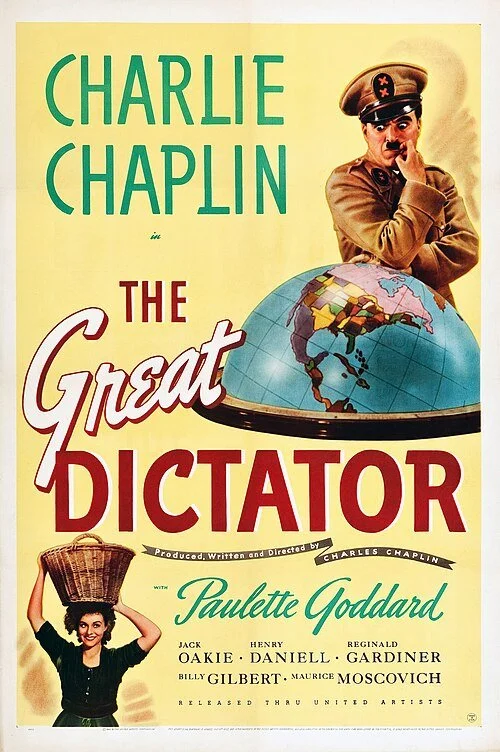
The Great Dictator (1940)

Mac Boyle August 27, 2025

Director: Charlie Chaplin

Cast: Charlie Chaplin, Paulette Goddard, Jack Oakie, Henry Daniell

Have I Seen it Before: Oh, several times. So much so that I’m a little surprised it’s taken me this long* to write a review of this one.

The real question is: Have you, dear reader, seen it?

Odds are you probably haven’t seen the whole film, but you might very well have seen the infamous final scene where the barber (Chaplin), having completed his Prince and the Pauper routine on Adenoid Hynkel (also Chaplin, naturally) and gives a speech to a waiting world where he begs for the decency of humanity**.

Did I Like It: You really should watch the rest of the film, as it is one of Chaplin’s most fully realized comedies. A farewell to his Tramp persona***, he is doing things here that it took most of Hollywood still years to realize in the context of a sound film. It’s a deeply, deeply funny film. I challenge you to get to Hynkel’s first speech and not marvel that Chaplin was going to be just as funny when talking as he had been during his preceding decades of prancing.

What’s more, it’s funny about a thing that is often too horrible to really comprehend. And as such, it works just as well in 2025 as it did 85 years ago.

But it wouldn’t be a Chaplin film without it hitting you in the chest a little bit, and so we come back to that last speech. Imagining a world where Hitler—or any fascist leader of a city state; I’ll leave you to fill in the blanks—suddenly wakes up and wants to bring some measure of peace to the world is a pretty brazen fantasy. Did Hynkel’s followers take the words to heart? Did the world become more peaceful? Is it even possible for the world at large to respond to such a plea?

Maybe not. We don’t see that reaction, other than Hannah (Goddard, proving she was the luminescent star of the age) telling us to listen.

Maybe, just maybe, after a century, we’ll start doing just that.

So, sure. The final speech is as good a place as any to start with the film. But you should really watch the whole thing.

*So close to the fabled review number 1000 that I can nearly smell it.

**For some reason every clip plays with the score from Inception (2010), for reasons I’ll never understand.

***Chaplin insisted Modern Times (1936) is truly the last Tramp film, and that he would never make a sound film with the little fellow, but when our Barber dons a bowler and has a cane and trips through some pantomime, it is hard not to view this film as the ultimate fate of the Tramp.
Tags charlie chaplin, charlie chaplin movies, paulette goddard, jack oakie, henry daniell
Comment

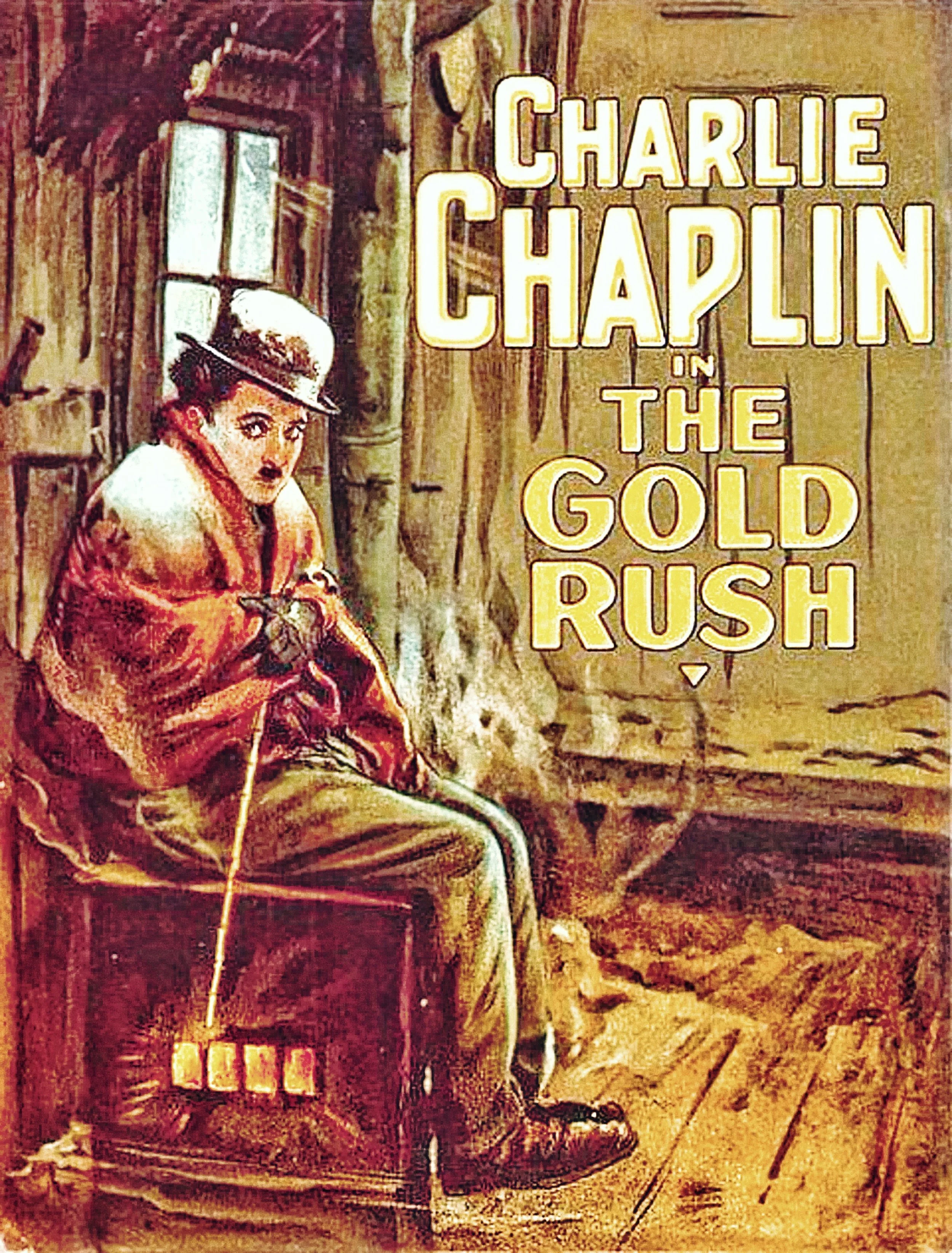
The Gold Rush (1925)

Mac Boyle April 15, 2023

Director: Charlie Chaplin,

Cast: Charlie Chaplin, Georgia Hale, Mack Swain, Tom Murray

Have I Seen it Before: Oh, sure.

Did I Like It: Once again I’m stuck as I try to review a film featured as a retrospective exhibition with a complete inability to review a film itself, but the need to review the experience of watching it. While this film certainly is mired in the Chaplin’s early impulse to make features with only the loosest of narrative threads, so that it can be a showcase of several short subjects. But between the dance of the dinner rolls and the deliciously demented expression on Mack Swain’s face when he sees the chicken, the film will be viewed and heralded not only long after Chaplin has passed away, but probably long after I am dead, too.

But I had something of a revelation while seeing this film again during one of Circle Cinema’s Second Silent Saturdays. In previous screenings, any reminder that I am relegated to live in the 21st century would eliminate the illusion of the organist that I might actually be taking in this movie in the 1920s. It really annoyed the crap out of me. During this screening, things were going pretty well, but there was a need of several people to comment on what was taking place on the screen.

A typical exchange, in a scene where Big Jim McKay takes a swig of whisky when they return to their cabin in the film’s later scenes:

“What is that?” said Audience Member #1.

“Oh, it’s whiskey,” says their companion. We’ll call them Audience Member #2.

“Well, how did they get that?”

I might have been irritated that they were ruining the movie for everyone—forget the fact that the film’s 1942 re-release has Chaplin providing narration throughout—and being a perfect example of everything that is wrong with film audiences of this stupid, stupid 21st century.

But then I realized in all likelihood there were absolute clods filling movie theaters 100 years ago as well that had to bring some sense to what they were watching and didn’t care who heard it.

So, thanks. Thanks for keeping up the illusion.

Tags the gold rush (1925), charlie chaplin, charlie chaplin movies, georgia hale, mack swain, tom murray
Comment

Modern Times (1936)

Mac Boyle December 28, 2022

Director: Charlie Chaplin

Cast: Charlie Chaplin, Paulette Goddard, Henry Bergman, Chester Conklin

Have I Seen it Before: Oh, sure.

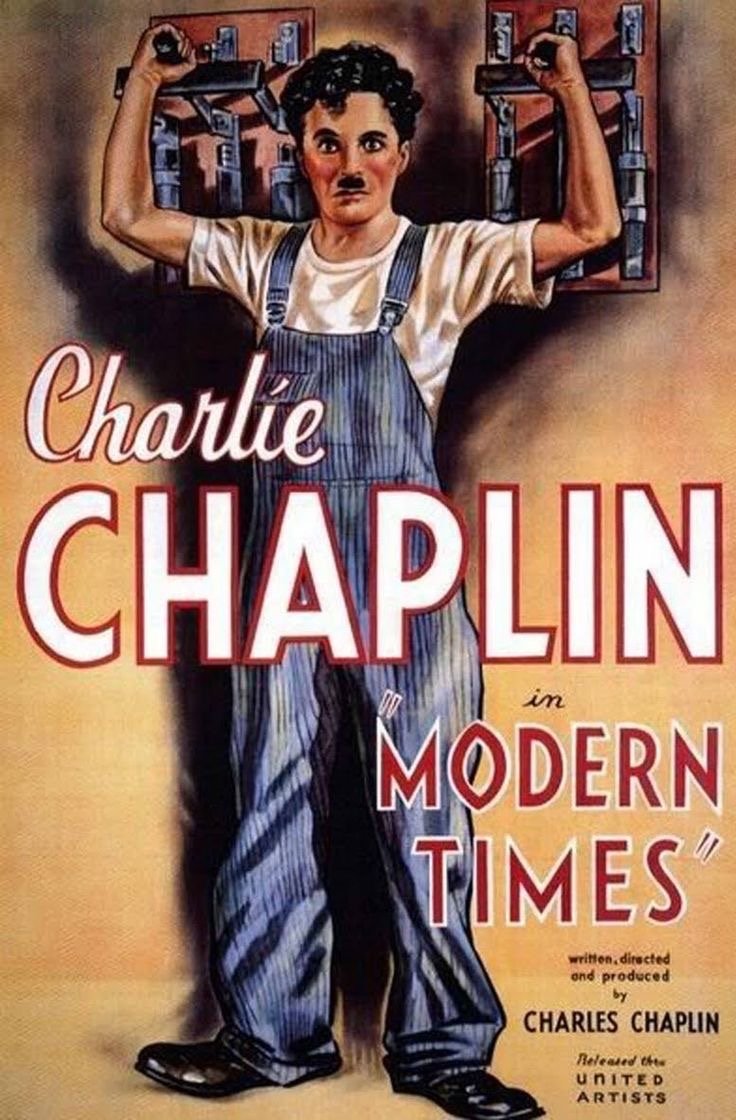
Did I Like It: It’s probably fair to admit at this point that I’m one of those guys that’s never been 100% convinced that the advent of synchronized sound in motion pictures was an unassailably good idea. Sure, you can get an occasional Godfather or a Marx Brothers picture, but Dracula (1931) is essentially a 75-minute-long sleeping pill, and we all would collectively be doing a lot better in the twenty-first century if the Transformers pictures somehow even had less to say.

So, yes, Modern Times has a special place in my heart as the last hurrah for the silent comedy*. The moment the Tramp speaks, he begins** to disappear from us. But he’s going to go through some of his best hits before he irises out forever.

One might be bothered by the episodic nature of the film’s plot, and indeed much of the film’s runtime could have been cut up into one-reeler shorts, but considering live action shorts would eventually become a thing of the past***, it has a double dose of quaintness working for it. I’d say that anyone terribly hung up on that quality is missing the point that most of those shorts are great. The Tramp’s odyssey with factory work is one of his more iconic works, and I’ve seen this movie a dozen times over the last twenty years, and I still don’t know how he didn’t kill himself on those roller skates when he was working as a night watchmen****. This doesn’t even cover his trouble in jail, various types of adventures with Ellen (Goddard, truly the best of the Chaplin leading ladies), and his final floor show.

You may think of Chaplin amongst the gears, if you give Modern Times any thought at all. You should really take the whole thing in, and maybe, just maybe you’ll join me and the rest of the cool kids in our assessment that this whole talky fad will eventually pass.

*Characters do speak on occasion in the film, but only through technological intermediaries, in case any of us were unclear of how Chaplin felt about the talkies which were taking the foundation of his power out from under him.

**Chaplin insists that the Barber character in The Great Dictator (1940)—his first sound film after caving to the churning forces working against him—isn’t the Tramp, and we all have accepted that at face value. The man’s been dead for nearly fifty years. I think it’s time to admit  that the Tramp had one last ride. We must do this for no other reason that if the Barber isn’t the Tramp, then Adenoid Hynkel is what the Tramp eventually became, and that’s more than a little depressing. That all should probably be reserved for my eventual review of Dictator, which I am dismayed to learn I have, at this moment, not written yet.

***Would Chaplin be making Youtube videos and eschew features all together if he were working today. One wonders…

****Which, incidentally, is a scenario that has—occasionally purposefully, and just as frequently by accident—drifted into my own work.

Tags modern times (1936), charlie chaplin, charlie chaplin movies, paulette goddard, henry bergman, chester conklin
Comment

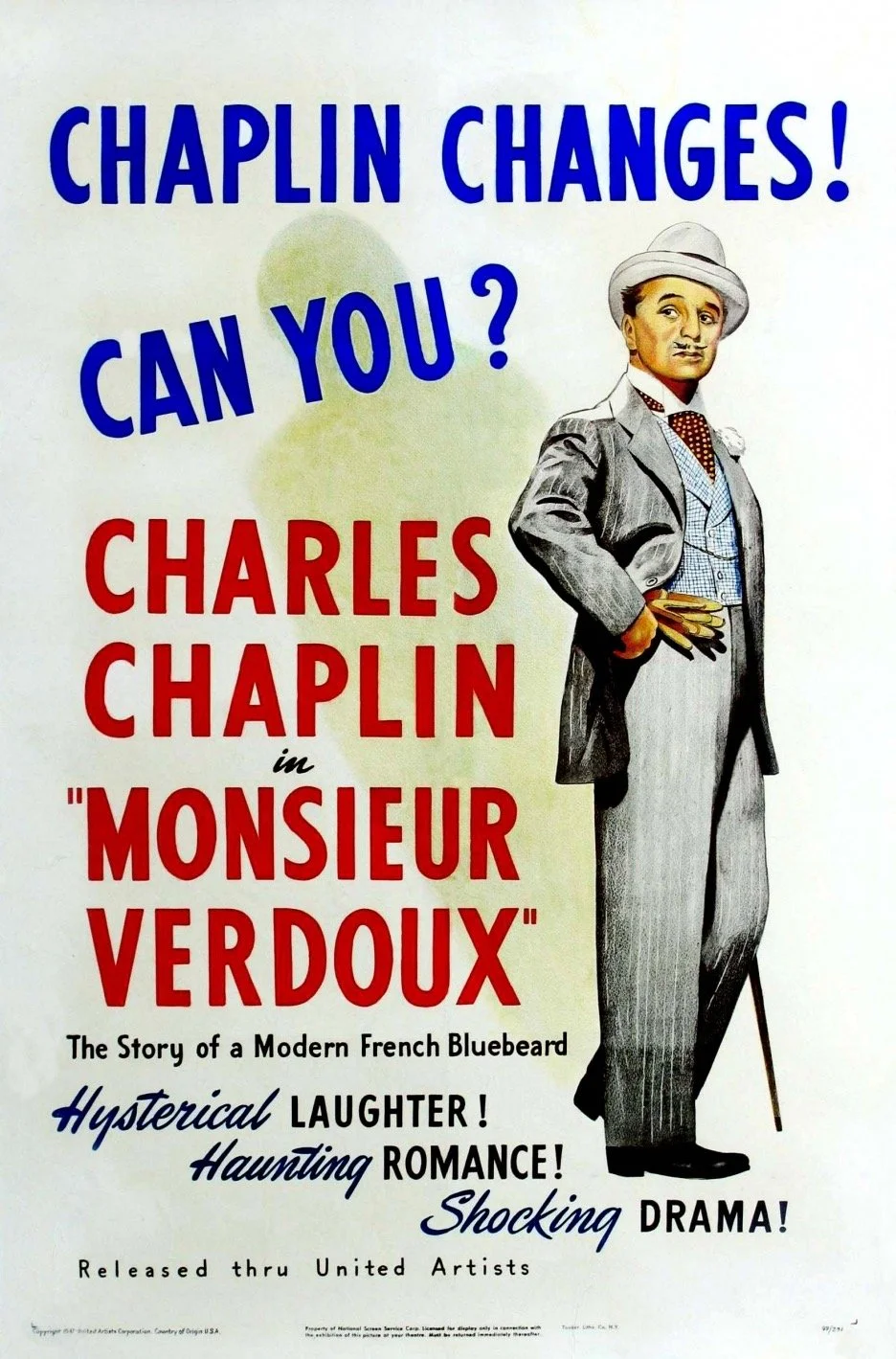
Monsieur Verdoux (1947)

Mac Boyle February 13, 2022

Director: Charlie Chaplin

Cast: Charlie Chaplin, Martha Raye, William Frawley, Marilyn Nash

Have I Seen it Before: Oh, certainly. I don’t think there’s ever been (nor will there be in the future) a film which possesses a title card which would wind up inspiring so much of my other work. “An Original Story written by CHARLES CHAPLIN (Based on an idea by Orson Welles).” So much passive-aggression in fourteen words. There had to be a whole novel there, right?

Did I Like It: I understand why this film was initially (and let’s face it, now) met with a lot of hostility. It’s such a thoroughly bleak film, both in the ethos of its main character and it s ultimate conclusions about the pitch-black nature of humanity. It’s in such a sharp contrast to The Great Dictator (1940), the only film conceivable which is both about Adolf Hitler, and deeply life affirming. Was Chaplin so horrified by the revelations of just how bad the Nazis were that he had to make another movie reflecting the very worst of humanity to square him with the cosmos?

As much as Dictator feels like an exceptionally adept initial full talkie for Chaplin, this one feels locked down and restricted by the sound equipment. the editing, too, is repetitive. How many times do I need to see the establishing shot of the trucks of the train with the same musical cue? 

And yet, it’s still a fascinating film. Chaplin himself—and students of film—have accepted that Chaplin ceased his famed Little Tramp character with Modern Times (1936), even though the Barber character from Dictator is demonstrably so similar to the Tramp, that I think I know what’s really up. But here’s a thought: Verdoux is the Tramp, too. He changed the mustache later in life, and the terrible crushing reality of the world got to him, and he eventually met his end at the end of a guillotine blade, but in the way he moves and interacts with people I don’t see a new character, and I don’t see Chaplin bringing his personality to the role.

I see the Tramp, more so than I saw him in Limelight (1952). It’s a weird way for the little fellow to go out, but there’s something bold about giving such a beloved character such a depressing end.

Tags monsieur verdoux (1947), charlie chaplin, charlie chaplin movies, martha raye, william frawley, marilyn nash
Comment
55F40CEE-7234-49DD-BF55-97C9D8CF31F8.jpeg

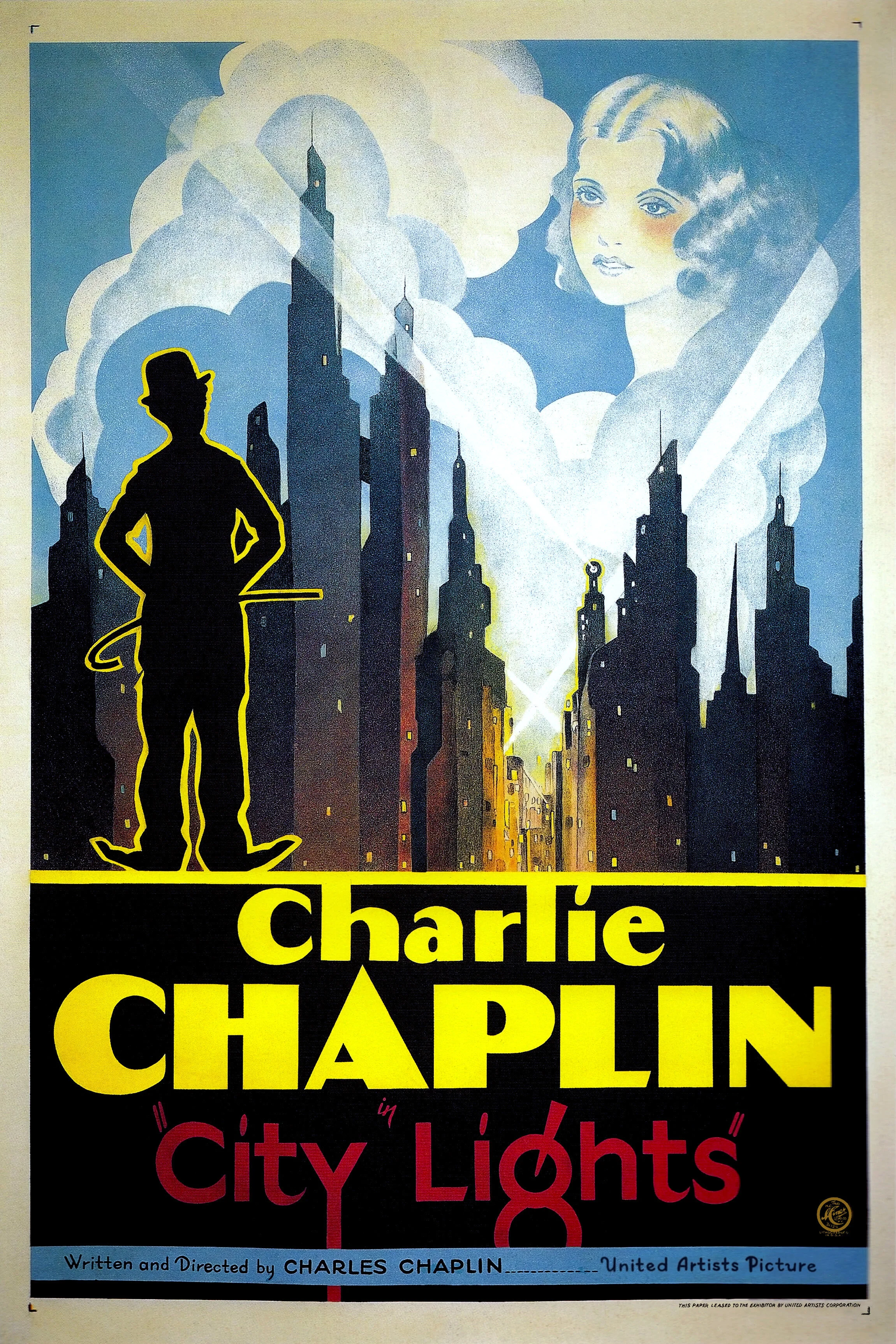
City Lights (1931)

Mac Boyle December 1, 2020

Director: Charlie Chaplin

Cast: Charlie Chaplin, Virginia Cherrill, Harry Myers, Florence Lee

Have I Seen it Before: Yes, although it’s not in the pantheon of my most beloved Chaplin films, many was the airings on TCM that I couldn’t resist. I had purchased the Criterion Blu Ray of the film over five years ago, telling myself that I would get around to opening it when things quieted down a bit.

Now we know that’s probably never going to happen, so why not just start watching some of these movies.

Did I Like It: It doesn’t have the conceptual brilliance of a The Great Dictator (1940) or better yet, Modern Times (1936). It comes later in his career, when the energy and confidence on display in The Kid (1921) or The Gold Rush (1925). Chaplin alleged prized it as his favorite of his own films, and it may be that position within the Venn diagram of his output that accounts for it.

Ultimately, this film is weighed down a bit by the same phenomenon as most of Chaplin’s feature work. It always feels like Chaplin was more suited to working in shorts, but all through his career was forced into boxes by technology or economics he wouldn’t have gone along with of his own volition. This was the last pure-silent film Chaplin made*, while everyone else had moved on to staging every stiff chamber play as something resembling a movie**. Also, when the market for shorts dried up, Chaplin’s features have always had an episodic quality to them, as if they were actually a sequence of four to six shorts loosely woven together. Even after this period—when Chaplin too surrendered to the forces of progress and started speaking—he was more interested in producing a series of set pieces than letting a story unfold of its own volition. 

And yet, none of those nitpicks mean anything when you see Chaplin’s slapstick unfurling. Some may prefer Buster Keaton or—God forbid—the Three Stooges, but for my money there’s no single comedian who can make one marvel, feel, and laugh with as much equal measure. There’s no such thing as a bad Chaplin movie.

*Modern Times is largely silent, but has some synced dialogue, more as a matter of commentary than anything else.

**By way of confession: I may be the last person on the face of the Earth who is not completely convinced adding synchronized dialogue to motion pictures was actually a good idea.

Tags city lights (1931), charlie chaplin movies, charlie chaplin, virginia cherrill, harry myers, florence lee
Comment
9793C9A5-AA8C-41B3-B04F-EA1FC913B320.jpeg

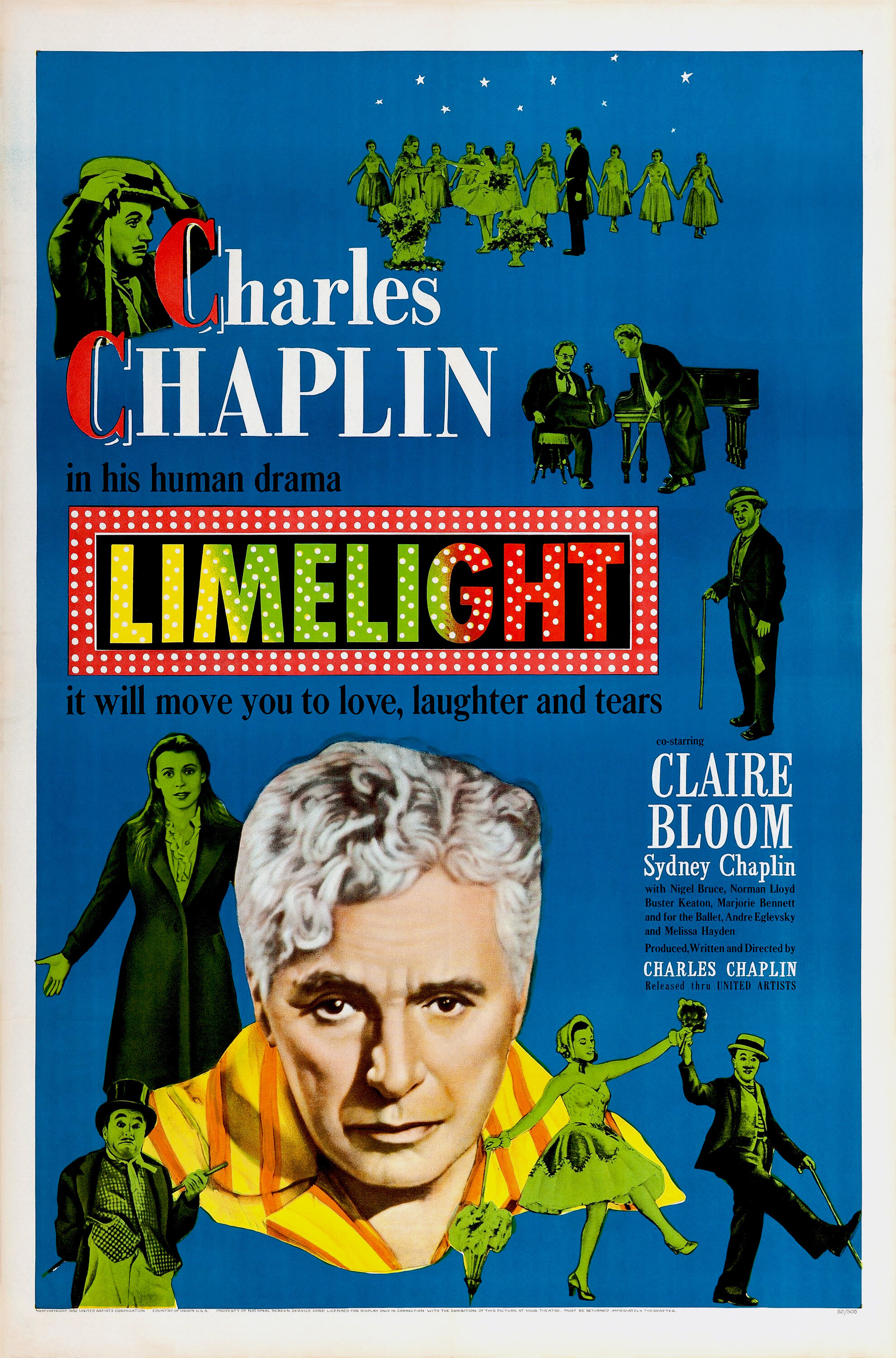
Limelight (1952)

Mac Boyle October 20, 2020

Director: Charles Chaplin

Cast: Charles Chaplin, Claire Bloom, Nigel Bruce, Buster Keaton

Have I Seen it Before: Sure. Hell, I predicated a few elements of some work I’ve done in years past on it.

Did I Like It: In the pantheon of late-period (read: talkie) Chaplin films, I’m tempted to say it resides in the middle of the pack. It isn’t the clever deconstruction of his previous work, like Modern Times (1936)*. It isn’t the resounding, moral, and political satire that is The Great Dictator (1940). It isn’t the absolutely nihilistic black comedy of Monsieur Verdoux (1947)**.

But it is fascinating.

The immediate read of the film is to view it as the most autobiographical of Chaplin’s work. Chaplin himself rejected that interpretation as shallow and fundamentally wrong, and I tend to agree for the most part. The tale of an intermittently successful stage comedian down on his luck is not his story. Even in exile, there was hardly a soul who would claim he wasn’t the top film comedian of his or any other age. The thought that Calvero is an analogue for the largely absent Charles Chaplin Sr. is easy to see. The sometimes inadequate love he has for the fragile and occasionally self-destructive Terry (Bloom) has a clear connection to Chaplin’s poor mother.

That being said, it’s hard not to look at Terry and also see just a bit of Oona in her as well. Is this film a quiet confession that he thought his final wife might have been happier with a younger man? Hard to say, but trying to read that much into the film is probably missing the point. How many times were you going to get an opportunity to see Chaplin and Buster Keaton share the screen?

*A hybrid talkie, to be sure, but definitely Chaplin’s first, begrudging step into the technological standard of film from then on.

**A challenging films to watch and, for that matter, spell. If I didn’t have to do it several dozen times in a previous work, I may never have gotten the hang of it without having to look it up.

Tags limelight (1952), charlie chaplin movies, charlie chaplin, claire bloom, nigel bruce, buster keaton
Comment

Powered by Squarespace

Party Now, Apocalypse Later Industries

Where creativity went when it said it was going out for cigarettes.

Where creativity went when it said it was going out for cigarettes.