Party Now, Apocalypse Later Industries

Where creativity went when it said it was going out for cigarettes.
  • Home
  • BOOKS
    • THE ONCE AND FUTURE ORSON WELLES
    • IF ANY OF THESE STORIES GOES OVER 1000 WORDS...
    • ORSON WELLES OF MARS
    • THE DEVIL LIVES IN BEVERLY HILLS
    • A LOSS FOR NORMALCY
    • RIGHT - A NOVEL OF POLITICS
  • PODCASTS
    • Beyond the Cabin in the Woods
    • THE HOLODECK IS BROKEN
    • THE FOURTH WALL
    • As The Myth Turns
    • FRIENDIBALS! - TWO FRIENDS TALKING ABOUT HANNIBAL LECTER
    • DISORGANIZED! A Criminal Minds Podcast
  • MOVIE REVIEWS
  • BLOGS AND MORE
    • Bloggy B Bloggington III, DDS
    • THE HOLODECK IS BROKEN BLOG
    • REALLY GOOD MAN!
  • Home
    • THE ONCE AND FUTURE ORSON WELLES
    • IF ANY OF THESE STORIES GOES OVER 1000 WORDS...
    • ORSON WELLES OF MARS
    • THE DEVIL LIVES IN BEVERLY HILLS
    • A LOSS FOR NORMALCY
    • RIGHT - A NOVEL OF POLITICS
    • Beyond the Cabin in the Woods
    • THE HOLODECK IS BROKEN
    • THE FOURTH WALL
    • As The Myth Turns
    • FRIENDIBALS! - TWO FRIENDS TALKING ABOUT HANNIBAL LECTER
    • DISORGANIZED! A Criminal Minds Podcast
  • MOVIE REVIEWS
    • Bloggy B Bloggington III, DDS
    • THE HOLODECK IS BROKEN BLOG
    • REALLY GOOD MAN!

A Blog About Watching Movies (AKA a Blog in Search of a Better Title)

220px-CasablancaPoster-Gold.jpg

Casablanca (1942)

Mac Boyle October 15, 2020

Director: Michael Curtiz


Cast: Humphrey Bogart, Ingrid Bergman, Paul Henreid, Claude Rains


Have I Seen it Before: Yes. Although my most immersive experience with the film was a casual dining restaurant that existed in Oklahoma City several years ago that tried to incorporate the film as its theme, but in reality, just played the movie over and over again on numerous TV screens while you ate. It was… odd. I want to say the place was called Rick’s Café American, but I could be wrong, and Google is decidedly unhelpful on the subject. The restaurant is gone now.


Did I Like It: How do you even begin to criticize a film that is so sewn into the identity of American film? It’s review-proof, right? 


And that is strange because, objectively, there’s nothing particularly special about the filmmaking craft on display. It is a well-constructed melodrama in its writing, but still melodrama. It doesn’t have the complex plotting and characterization of Citizen Kane (1941), or the visual splendor of The Wizard of Oz (1939) or Gone with the Wind (1939). It is a little bit of a mystery why the film rose from the pack of other Hollywood films of the era and has become one of the most well-regarded films of all time, to the point where people try to make ill-advised theme restaurants out of it.


It’s got to be in the star power of Bergman and Bogart. This film may be the most potent dose of screen star as personality ever made. They have perfect chemistry together, and each has a screen persona that is effortless and perfectly formed. It seems like every leading actor over the next eighty years, from Harrison Ford to (ick) Woody Allen has at time tried to channel Bogart, and while there is thankfully a little more variety in the arena of leading ladies, I have a hard time imagining that any woman who has had her name above a title would blanche at the idea of summoning their inner Bergman. That’s why what the film is most strongly remembered not for its story of Nazi tinged Morocco, or even the music that is infused into the Warner Bros. vanity card to this day, but Rick and Ilsa’s goodbye at the end of that film.


Come to think of it, that might be the only scene they might have actually been playing at that strange restaurant long ago. It was certainly the only part for which I looked up from my burger.

Tags casablanca (1942), michael curtiz, humphrey bogart, ingrid bergman, paul henreid, claude rains
Comment
Death_Proof_USA_Poster.png

Death Proof (2007)

Mac Boyle October 15, 2020

Director: Quentin Tarantino


Cast: Kurt Russell, Rosario Dawson, Zoë Bell, Rose McGowan


Have I Seen it Before: Yes. But I honestly have no memory of Planet Terror (2007) the other half of the Grindhouse double feature.


Did I Like It: Which I think speaks volume for this film. I wrote about Jackie Brown (1997) recently that it was the most anonymous of Tarantino’s films, whereas this is the exact opposite. From the opening shot of a woman’s feet* all the way to the cameo of Big Kahuna Burger, this a concentrated dose of Tarantino. If you’re disinclined to like his work, then the film never has a chance.


Thankfully, I’m inclined to the opposite, so the film works, if not to the delirious highs of something like Once Upon A Time…In Hollywood (2019). What holds it down from true greatness is the format. Tarantino has always been interesting in committing homage to exploitation films of the 1970s, but he has always been remixing those elements to create new, vibrant art. Here, he is trying to make one of those films that he so enjoyed. The stark cutting would have riddled films of the genre, but that is part of the environment through which we see those films. Here, it is artificial, and to much less effect. Death Proof is a worthy experiment, if not the crown jewel of the man’s work.


That being said, the stunt work—the film’s entire reason for existing—is exquisite, and of a type we are not likely to ever see in films again. That alone is worth the price of admission, or the purchase of a DVD.


*One wonders if at a certain point Tarantino gleefully steered that motif into parody. We all laugh about the man’s foot fetish, but I start to think it may have been overblown. Then, I pop in one of his films and… Damn. That dude really enjoys filming women’s feet. More power to him, but it’s hard not to see the auteur in those shots.

Tags death proof (2007), grindhouse, quentin tarantino, kurt russell, rosario dawson, zoë bell, rose mcgowan
Comment

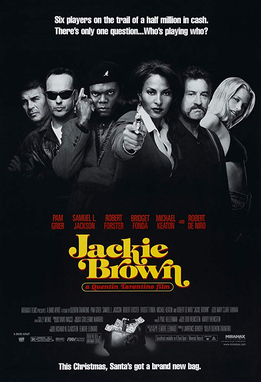
Jackie Brown (1997)

Mac Boyle October 13, 2020

Director: Quentin Tarantino

Cast: Pam Grier, Samuel L. Jackson, Robert Forster, Robert De Niro

Have I Seen it Before: Yes.

Did I Like It: But that’s the interesting thing. I don’t think it would be a terribly controversial opinion to call this Tarantino’s least memorable film. It’s certainly a different type of film from Tarantino’s other projects. It’s more linear than anything else from him, with the plot unfolding form A to B to C in such a coherent order (until the third act, a little bit) that if it weren’t for the close up of ladies feet, one would be forgiven for not realizing Tarantino is directing at all. It’s the only adaptation Tarantino has done—from a novel by Elmore Leonard—but I’m still a little bit surprised that the story of Jackie (Grier) didn’t get thrown into the Tarantino narrative blender.

But, that’s not a bad thing, the lack of memorability and relative anonymity of it all. I’ve watched Once Upon a Time... In Hollywood (2019) about a half a dozen times in the year since its release. It’s terrific, naturally, but the little moments and touches of the film that make Tarantino have become quite familiar over such a short amount of time. The same can be said about Pulp Fiction (1994) and either of the Kill Bill films. So, it’s an extra treat to rediscover this movie every once in a while. It’s almost like getting a new Tarantino movie every once in a while when you really weren’t expecting one. It may not meet some of the delirious highs of some of his other films, but even with its minor status, I can’t readily think of a better film from 1997.

Plus, Michael Keaton is in the movie, and frequent readers of this space know I’m prepared to give any movie a pass if Michael Keaton is in it.

Tags jackie brown (1997), quentin tarantino, pam grier, samuel l jackson, robert forster, robert de niro
Comment
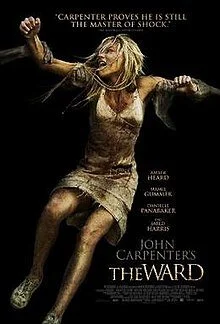
220px-Theward.JPG

The Ward (2010)

Mac Boyle October 12, 2020

Director: John Carpenter


Cast: Amber Heard, Mamie Gummer, Danielle Panabaker, Jared Harris


Have I Seen it Before: No. I acquired it during one of my flea market runs for DVDs. Had it not had the Carpenter moniker on it, it would have never occurred to me to watch the film, much less own it.


Did I Like It: Without going into too much detail about the movie itself, as I finally watched the movie, I knew without any shred of doubt that I would never watch it again, thus it immediately went not on the shelf my standing disc collection, but instead on the pile of DVDs to be sold or donated somewhere.


Want to know more about the movie? The plot is barely non-existant, and the twist ending has the unusual distinction of feeling cliched, tacked on, and not actually mean anything in favor of one more jump scare in the film’s last moment. It’s barely an hour and a half, but feels much longer.


Carpenter hasn’t really made a good film since arguably In the Mouth of Madness (1994) and undeniably since They Live (1988). He had taken a ten-year break before coming back to direct here, He has yet to direct anything since, and I think that’s probably the right decision. He lost interest in making great films a long time ago.


But the elements that would have made this a diverting way to spend just over an hour weren’t even there. The film makes pretty good use of the wide screen format, but long gone are the days of his collaborations with cinematographer Dean Cundey. He didn’t even do the score. A thorough disappointment all around.


Is it sad or sort of okay if a once-great director just runs out of steam one day? I for one think that’s fine. The sentiment surely doesn’t save this film, but no one can take away the fact that John Carpenter made Halloween (1978).

Tags the ward (2010), john carpenter, amber heard, mamie gummer, danielle panabaker, jared harris
Comment
220px-Diner-movie-poster-1982.jpg

Diner (1982)

Mac Boyle October 12, 2020

Director: Barry Levinson


Cast: Steve Guttenberg, Daniel Stern, Mickey Rourke, Tim Daly


Have I Seen it Before: Yes, but it has been ages.


Did I Like It: It’s the mark of an unassailably likable fil that it can feature five (six, if you count Paul Reiser’s Modell, but he does seem like he merely orbits the movie more than the others) main characters who range from willfully obnoxious (Guttenberg, and honestly the food, too—who puts gravy on french fries?) to believably pig-headed (Daly) and still be enjoyable.


Maybe it’s that the film is so forgiving of its leads, that I as the viewer can’t help but be forgiving of them, too. They like each other despite themselves, and that camaraderie doesn’t feel desperately co-dependent like some other “the friends of your youth are the best friends you’ll ever have” films of the period. They have enough problems on their own without ruining each other’s lives, minus a roast beef sandwich, a manger, or anything Boogie (Rourke) has cooking up. I’m looking in your direction, The Big Chill (1983).


Maybe it’s that the film reflects the young adult male experience pretty spectacularly. I knew each of these guys. While it may the film’s least believable sub-plot, I knew a guy in college who would have absolutely done the football test for a prospective spouse. I remember going to his wedding quite well, if for no other reason than the marriage was over inside of a year, in case anyone was wondering what an ill-advised sequel to the film might have looked like. 


Although, you can’t help but wonder what became of the characters in the 60s and beyond. As with most great films, I think it is the timelessness written into its DNA. That kind of interaction has not changed much from 1959 to 1982 to 2009 to now. The only thing that has changed now is that you don’t have to wonder about the guys from the diner. You just need to search for them on Facebook.

Tags diner (1982), barry levinson, steve guttenberg, daniel stern, mickey rourke, tim daly
Comment
B2556D35-D432-48EC-849F-EAD8C620BA03.png

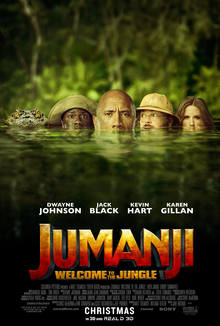
Jumanji: Welcome to the Jungle (2017)

Mac Boyle October 11, 2020

Director: Jake Kasdan

Cast: Dwayne Johnson, Karen Gillan, Kevin Hart, Jack Black

Have I Seen it Before: Yes.

Did I Like It: I can’t say I was ever in a market for a sequel to the Robin Williams vehicle Jumanji (1995). I can’t even imagine anyone who was aching for a second installment. And that may be the secret to the twenty-year-plus after the fact sequel: Proceed only when expectations are non existant.

It also helps to make the film in a genre completely different from the original. Many have tried for the post-modern riff on The Breakfast Club (1985). They even tried to force the Power Rangers into that mold one time. Here, it largely works because the film is not coming from the same stable of filmmakers that make every other modern entry of hum-drum spectacle (I’m looking in your direction, Zach Snyder), but instead someone with legitimate comedy credentials in Kasdan (Orange County (2002), Walk Hard: The Dewey Cox Story (2007)). 

It also helps that each of the key cast members are playing against type. Black and Hart’s performances might have been one-note jokes that would have lived and died in the trailer for the movie, but they are legitimately funny screen presences, so that helps. There are few actresses who can be pointedly easy as the eyes and still believably act like they were never aware of it, but Gillan is that performer.

And then there’s The Rock, or at this point we should really call him Mr. Johnson. That he could come from the world of professional wrestling and still be an engaging and charming leading man in action movies makes him singular in his field. That he is able to evoke the nebbish and not take his macho image at all seriously puts him far above most of his action star brethren. Only Schwarzenegger has credibly brought his presence to comedy, and even he has never done so completely divorced from his image of the Austrian Oak. Somebody like Stallone has never gotten close.

It didn’t have to be a Jumanji film; it’s merely a film far more enjoyable than it had any right or expectation to be.

Tags jumanji: welcome to the jungle (2017), jake kasdan, dwayne johnson, karen gillan, kevin hart, jack black
Comment
1466F90A-9CF3-4189-8E4A-A744B1789D2B.jpeg

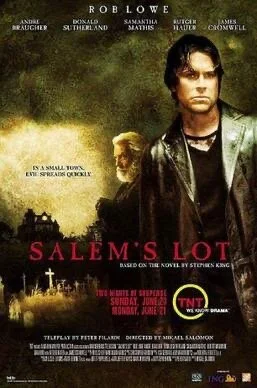
Salem’s Lot (2004)

Mac Boyle October 11, 2020

Director: Mikael Salomon

Cast: Rob Lowe, Andre Braugher, Donald Sutherland, Rutger Hauer

Have I Seen it Before: Never. Had it not been included with a DVD set along with IT (1990) and The Shining (1997) (no, not that one) I likely never would seen it. If I wasn’t trying to do my level-headed best to get through my pile of unwatched DVDs, I may still have never seen it.

Did I Like It: Let’s put it simply: I was half-considering not writing a review of this at all, seeing as it was a television miniseries that aired on TNT. Since I already reviewed those other two films in the set, consistency alone has brought me to this low point.

One can’t imagine that the film’s failing are entirely its own fault. The prospect of a two-part television movie based on a Stephen King novel is not exactly the stuff of high quality. The only exception is the aforementioned IT, and that is a four hour journey through mostly dullsville, punctuated by a legitimately terrifying performance from Tim Curry. It also helped that I first saw fleeting images of that one when I was five.

There is not much to recommend the proceedings here, then, aside from the always welcome presence of Andre Braugher. It’s interesting to note that this is another vampire film starring Sutherland and Hauer, but this barely about vampires, and it wasn’t exactly like their first team-up worked out so hot. The production value is embarrassingly cheap when it isn’t spectacularly boring. Seriously, Rob Lowe left The West Wing for stuff like this? Even the fifth season of that show is more memorable than this. It actually inspires me to actively avoid the novel on which it is based. It’s a real shame.

Tags salems lot (2004), mikael salomon, rob lowe, andre braugher, donald sutherland, rutger hauer
Comment
Mission_Impossible_II.jpg

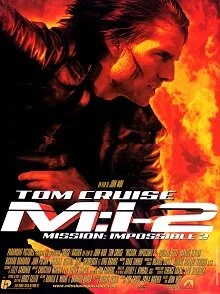
Mission: Impossible II (2000)

Mac Boyle October 10, 2020

Director: John Woo


Cast: Tom Cruise, Dougray Scott, Thandie Newton, Ving Rhames


Have I Seen it Before: Yeah.


Did I Like It: The Mission: Impossible series is improbably after twenty-five years of featuring Tom Cruise tempting death by jumping and hanging off things. 


But it hasn’t always been that way. I have always had a soft spot for <Mission: Impossible (1996)>, but completely understand when others say the plot is overly complex at best, downright convoluted at worst. Trying to course correct for that criticism, we are then offered this film.


All the ingredients are right. Tom Cruise—for all of his problems—has never appeared disinterested in making good movies. John Woo was at the peak of his action filmmaking, and had even proven his aptitude with more American fare like Hard Target (1993), Broken Arrow (1996), and Face/Off (1997). Certainly not intellectual fare, but crowd pleasing. He may have been the wrong choice for this series, but the thought that he wouldn’t generate some degree of memorable spectacle was a good idea, on paper. 


But nothing quite came together, one assumes in the hopes of offering up counter programming to its predecessor. It probably doesn’t help that the whole film centers around preventing a super flu outbreak, which today feels off, but I don’t think my opinion of the movie has changed much at all in the last twenty years.


Cruise has two modes throughout the film: smirking and concerned smirking. Maybe he was looking for a break after the marathon production that was Eyes Wide Shut (1999), but he’s rusty as a movie star here. The plot is warmed over Hitchcockian jewel thief material. The story is credited to Star Trek scribes Ronald D. Moore and Brannon Braga, but I always seem to remember that eventually credited screenwriter Robert Towne saying he cribbed the whole thing directly from Notorious (1946), but a quick search now indicates they came up with action sequences first, and Towne was later called in to string together a story. Not sure if this is patient zero for this practice, but that kind of screenwriting is happening more and more lately, and for my money it is the key problem in action films today.


This one just didn’t come together in any way, sadly. But don’t worry, the series—nor Cruise—has made a stinker since. One wishes that I could say the same about Woo (he hasn’t made much in the last twenty years), and poor Dougray Scott was right on the precipice of having Hugh Jackman’s life, but for this film.

Tags mission: impossible II (2000), mission: impossible movies, john woo, tom cruise, thandie newton, dougray scott, ving rhames
Comment
CB46F0F7-4CBD-423A-92E1-AED88C5E4DC5.jpeg

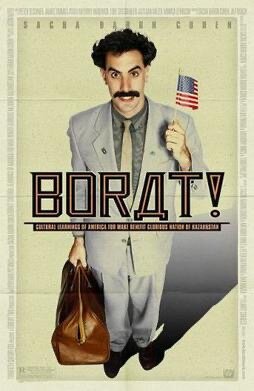
Borat: Cultural Learnings Of America For Make Benefit Glorious Nation Of Kazakhstan (2006)*

Mac Boyle October 9, 2020

Director: Larry Charles

Cast: Sacha Baron Cohen, Ken Davitian, Luenell, Pamela Anderson

Have I Seen it Before: Did anyone not see it in 2006?

Did I Like It: I mean, seriously? If you had any interest in watching this film, you’ve already seen it. If you actually understood it, you probably got a little sick of “my wife” pretty quickly. Plenty of people saw Borat as some kind of hero for their own dimly considered political incorrectness. It never seems to occur to these kinds of people that the butt of the joke is the American mindset in the first few years (at this point, it’s shaping up to be the first quarter) of the twenty-first century. These people didn’t watch the character duirng his early days on Da Ali G Show. I did. I got it. I think.

I was laughing so hard when I first saw this in the theater, that I honestly thought I’d pass out. Cohen is so profoundly committed to taking his various pranks through to their most absurd and uncomfortable ends, one initially laughs at a new situation, before wincing that no human should try these things, before howling with laughter once again that he is indeed taking it far past your wildest fears. Then, those aforementioned people came around and quoted it to death and ruined it for the rest of us. Same damn thing happened with Anchorman. This is why we can’t have nice things.

Ten-plus years later, the potency of some of the laughs may have subsided, but the audacity will never diminish. One marvels at the naked fight Borat (Cohen) and Bagatov (Davitian) have in the hotel. That one might have some kind of qualm about doing the things they do for a laugh. And just at the moment you think this is a certainly a committed performance in a controlled environment, civilians are brought into the process. Maybe they are hired extra and more of this is an illusion than it looks like at first blush, but they want us to believe in the moment that this is really happening, and it takes nearly fifteen years and enough distance to think that maybe it wasn’t.

I may be a little fearful as to what Cohen may have in store for us in the forthcoming sequel. If the audacity isn’t back during the second helping, then it will be a sad exercise, indeed. If the surprise of the laughter returns, then it may just be exactly what 2020 needs. And maybe everyone else won’t ruin it in the process.

*I’m a little distressed that I didn’t have to look up the full title of the movie.

Tags borat (2006), sacha baron cohen, larry charles, ken davitian, luenelle, pamela anderson
Comment
9FC0BF1A-A8AC-4C71-8EFB-4FBF6BD4ED58.png

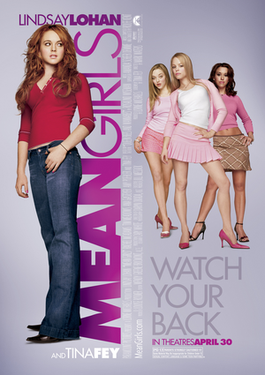
Mean Girls (2004)

Mac Boyle October 6, 2020

Director: Mark Waters

Cast: Lindsay Lohan, Rachel McAdams, Tim Meadows, Tina Fey

Have I Seen it Before: Oh, sure.

Did I Like It: I’d say that the mark of a good comedy film—the kind that stands the test of time—is that you find various lines rattling around in your head hours, even days after watching it again for the first time in several years. This is one of those films. However, regardless of how long its been since I’ve seen the movie, quotes from it march through my head with great frequency.

And it isn’t the lines that everybody says. No “fetch” or “get in loser.” Those everyone says, in the same way everyone parrots “I Love Lamp” from Anchorman: The Legend of Ron Burgandy (2004) and and elongated “my wife” from Borat (2006). Same with anything said by Heath Ledger in The Dark Knight (2008). They make the film less enjoyable over time. My favorite quotes are different. I haven’t been able to get “But you love Lady Smith Black Mambazo” out of my head for longer than fifteen minutes in the day or so since I watched the movie. “You go Glen Coco” is a rallying cry in my house. Those are the lines that allow the film to live beyond the year in which it was released.

And that is the work of Tina Fey. She was at the helm of Saturday Night Live during the last sustained period in which that show was great*. She shepherded 30 Rock to be the point where it is one of the essential TV shows of my life. And she wrote this film, transforming a self-help book into the superlative teen comedy of the 2000s, so much so that I cannot readily even think of another teen comedy from those years. There is only Glen Coco. 

* That would tend to sync up with the prevailing theory that most people think that show is only as good as it was when they were in high school.

Comment
00EC1924-1A7D-4872-9246-543F9DB8A84D.jpeg

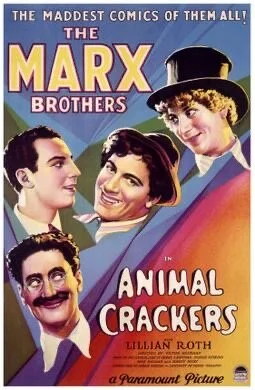
Animal Crackers (1930)

Mac Boyle October 6, 2020

Director: Victor Heerman

Cast: Groucho Marx, Harpo Marx, Chico Marx, Zeppo Marx

Have I Seen it Before: Absolutely.

Did I Like It: In my review for Duck Soup (1933) I declared that there is not a moment spent with the Marx Brothers that is misspent. I stand by this sentiment, and while I think that film is the peak of their skills, and the perfect gateway into the finest corners of film comedy, this film may be a bit harder to get into for the uninitiated. Many people would blanche at the notion of any film in black and white, but I can’t imagine I will ever learn to understand those people.

That isn’t to say there is less to enjoy here. “Hooray for Captain Spaulding” is perhaps the greatest song with Groucho at the lead. There isn’t a moment that is less than pleasurable. The whole entity of the film is not as satisfying as Duck Soup or some of their other movies. This was directly adapted from a Broadway play starring the brothers, and it shows. It comes from that period in films shortly after the advent of synchronized sound where almost every film produced was a recording of a stage production, nothing more. Dracula (1931) was very much the same way, if in a different genre. Animal Crackers is more a revue than a narrative film, with bits arranged in loose order. There’s not much of a story here, but if all you need from your early comedy films is a strict sense of story, there is more than enough Chaplin films that might pique your interest.

But I’d still rather watch this than the vast majority of other films in existence. Anything Harpo does or any noise he makes is an unremitting delight, and each and every Groucho bon mot is a pristine display of great artist working in the medium for which they were born.

Tags animal crackers (1930), victor heerman, marx brothers movies, groucho marx, harpo marx, chico marx, zeppo marx
Comment
5B6466CA-189D-4E82-A20A-B8551BA3D06C.jpeg

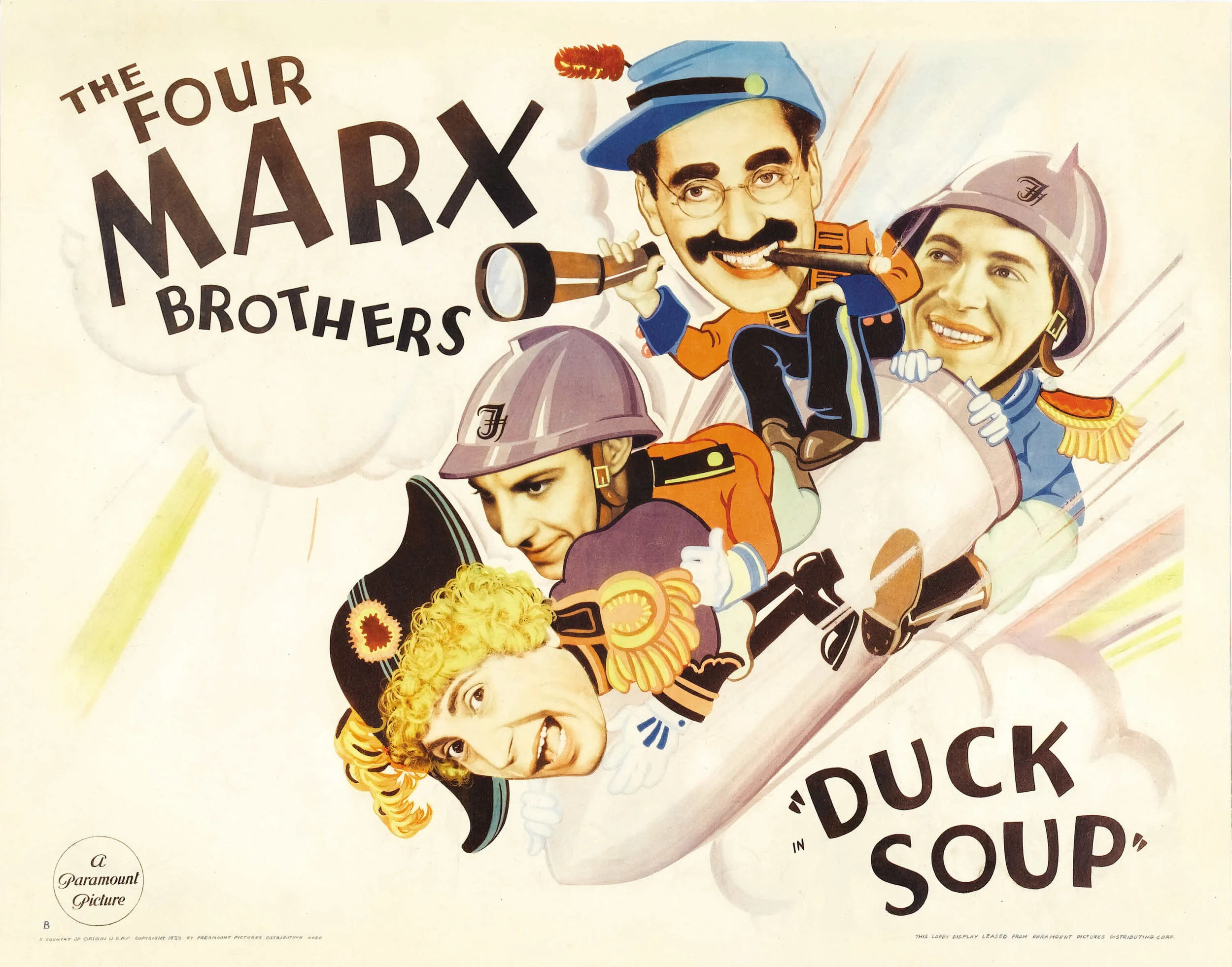
Duck Soup (1933)

Mac Boyle October 6, 2020

Director: Leo McCarey

Cast: Groucho Marx, Harpo Marx, Chico Marx, Zeppo Marx

Have I Seen it Before: Oh, certainly.

Did I Like It: The easy thing to say as I type this review in the fall of the year 2020 is that the wild, unpredictable story of a failing free-ish sort of country who installs a charlatan of a leader who—with the help of cronies somehow more depraved than him—promptly ruins everything in sight now seems less like the absurdist comedy which the Marx Brothers intended, and more like a documentary now.

That’s not only a cheap thought, but also a huge disservice to Rufus T. Firefly (Groucho). Even his administration of Freedonia would be better capable of meeting the challenge of this year than certain other parties who probably should go unnamed, lest they, through some strange Mandela effect, suddenly make a cameo appearance in an otherwise lovely film.

But bringing anything that the Marx Brothers have done down to our current level feels like ruining one of the purer, joy-filled things in the human experience. I can’t imagine a person would play any Marx Brothers movie (and I’ll admit they can vary in levels of satisfaction, if not quality) and not have a good time. I certainly don’t want to meet such a person.

But that only speaks to the collected works of the brothers as monolith, what about this film? For my money, I think it’s their finest attempt. They’re first few films were produced in those early days of the talky where the film industry still didn’t quite know what to do (or what they could do) with their new technology, and films largely had a quality not unlike a recorded stage production. Some of that same “large-scale performances, with small-scale camera movements” energy is on display here, but they are truly making movies here. The story is as coherent as a Marx Brothers movie ever should be (that is to say, not exceptionally ground in reality) and the bits and numbers that don’t involve either Groucho, Chico, or Harpo are kept to a minimum. Sorry, Zeppo. If you are looking for your gateway into the addicting comfort food of these, the funniest men who ever worked in the movies, look no further.

Tags duck soup (1933), leo mccarey, marx brothers movies, groucho marx, harpo marx, chico marx, zeppo marx
Comment
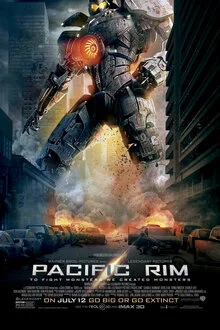
Pacific_Rim_FilmPoster.jpeg

Pacific Rim (2013)

Mac Boyle September 27, 2020

Director: Guillermo del Toro

Cast: Charlie Hunnam, Idris Elba, Rinko Kikuchi, Charlie Day

Have I Seen it Before: Oh, sure.

Did I Like It: I’m writing this review shortly after my post about <Cloverfield (2008)>, which I wasn’t very kind to.

I like this movie more, if for no other reason than it is just about the only big budget adventure film of the last decade that wasn’t based on some other property. I’m supposed to be thrilled when films aren’t based on board games, but this film actually creates a whole new world that feels lived in, not terribly removed from our own, and unique enough to not feel like every other film in the genre. The monsters of Pacific Rim are not the spindly Lovecraftian horrors of Cloverfield, or even the lumbering suited men of the Godzilla series. Instead, while wild, they do seem to have intelligence. They certainly have a plan and an agenda, which might undercut the terror one might feel, but I think only amplifies their ruthless threat.

Far more importantly, the film is not unrelentingly bleak.

That is to say, it is not totally devoid of bleakness. The film depicts the calamitous turning point in humanity’s fight with kaiju taking place in 2020, which kinda sorta figures. The world careens closer and closer to outright annihilation over the ensuing half a decade. The heroes band together, seal the breach, and win the day. While the world is still devastated from years of unrelenting onslaught, there is the hope that a new day is just around the corner.

But then there’s a sequel, which was bland, inoffensive, and a real let down from the highs displayed here. I’m not sure why Hollywood doesn’t just let del Toro do whatever the hell he wants at any given moment, but that doesn’t feel like it will change any time soon. That should have been the lesson from this film. Not more of the same. More of del Toro.

Tags pacific rim (2013), guillermo del toro, charlie hunnam, idris elba, rinko kinkuchi, charlie day
Comment
Cloverfield_theatrical_poster.jpg

Cloverfield (2008)

Mac Boyle September 27, 2020

Director: Matt Reeves

Cast: Lizzy Caplan, Jessica Lucas, T.J. Miller, Michael Stahl-David

Have I Seen it Before: I skipped it in the theater, because who needs that kind of aggravation in their life, and I was able to watch the new teaser for Star Trek (2009) on my computer anyway. I caught it later.

Did I Like It: Matt Reeves is proving to be a terrific filmmaker. His work with Planet of the Apes breathed life into a franchise when literally no one thought there was any life left in it. What we’ve seen of his upcoming The Batman is pointing to it being the only possible way forward for that character post-Christopher Nolan.

So, why isn’t this film any fun?

Maybe I’m in a bad mood during this screening, and that can always skew a review that is meant to be a snapshot of how I feel about a film in the moment I am watching it, but I don’t remember ever being terribly delighted by the movie, so much so that I experienced a bit of a Mandela effect when I realized Matt Reeves directed here.

A bleak march into the inevitability of death might have been fun for some as a twist on the creature feature before, but in 2020 it feels like a sober prediction for the first week in December. You might want to check, but I think Nate Silver has the odds of Kaiju attack before the advent of a COVID vaccine at hovering right around 30%, which I’m thinking is about as close to metaphysical certitude as we’re likely to get these days.

The people are kind of quietly miserable before the monster announces itself. They are miserable as it wreaks havoc and they do they’re very best to not avoid danger. The monster is still alive at the end of the film, and every human we were supposed to care about—who bravely documented everything about the Attack of Clover long past the point of rationality—is dead.

That’s it. That’s the movie. And now I’m nauseous. What a delight.

At least it wasn’t The Cloverfield Paradox (2018).

Tags cloverfield (2008), matt reeves, lizzy caplan, jessica lucas, tj miller, michael stahl-david
Comment
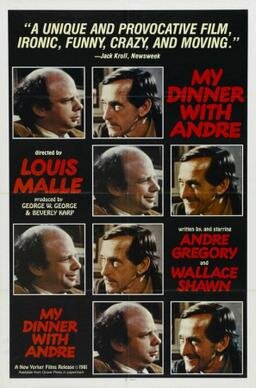
My_Dinner_with_Andre_1981_film_theatrical_release_poster.jpg

My Dinner With Andre (1981)

Mac Boyle September 27, 2020

Director: Louis Malle

Cast: Andre Gregory, Wallace Shawn

Have I Seen it Before: No. I’ve seen the Community episode “Critical Film Studies” several times, but that doesn’t count so much, that I’m not entirely sure why I brought it up just now.

Did I Like It: I can’t help but divide this review into two questions:

First, does it work as a film as I previously understood it. As a matter of objective truth, there is very little going on in this film either visually or from a story perspective. It is largely one set, with three angles on the characters as their titular dinner unfolds. 

And yet, nothing happens between them, either. Wally (Shawn) expresses dismay at having been waylaid into having dinner with Andre (Gregory), but there is no catharsis—even temporarily—between the men before their meal comes to an end. I get no sense that Wally has anything resembling a deeper appreciation for who his friend is, and instead am convinced that if the world somehow became even crazier than it is and offered us a sequel to the film (2 Dinner 2 Andre: We At It Again, Y’all, anyone?), Wally would still be avoiding spending time with Andre.

And yet, I do find myself not looking away as the film unfolds. Maybe I want something more to happen, but I’m willing to allow for the possibility that I may be unreasonable for thinking it should unfold any other way.

Which brings us to my second question: is it a pleasurable experience. In the great divide of mysticism vs. humanism—let’s call it Team Wally and Team Andre—I am firmly in the Wally column. The pleasures of life can be experienced without abandoning your family to intrude upon the rituals of other people. In the here and now of 2020, Andre’s extravagances also seem wildly out of tune, but it’s becoming increasingly difficult for me to harshly judge a film or any other piece of art for not sufficiently predicting what the current age would feel like, even if it got pretty easy for all of us to do so there for a while.

So I guess I didn’t really like it, in the conventional sense. But again, I couldn’t look away, and in an age where we are sleeping with our electronic devices at a far more severe degree than either of our protagonists (does this film have a protagonist?) imagined, that has to be some kind of magic, right?

Tags my dinner with andre (1981), louis malle, andre gregory, wallace shawn
Comment
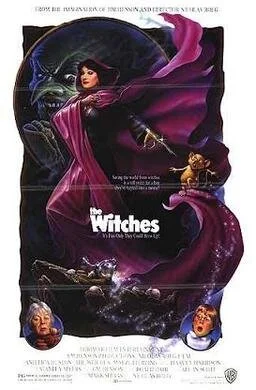
Witches_poster.jpg

The Witches (1990)

Mac Boyle September 27, 2020

Director: Nicolas Roeg

Cast: Anjelica Huston, Mai Zetterling, Jasen Fisher, Rowan Atkinson

Have I Seen it Before: Many, many times.

Did I Like It: With Jim Henson’s involvement—read, Mr. Henson’s actual involvement before his passing, not just his company—there’s already a certain level of quality delivered. The special effects in this film have aged astonishingly well since release. The creature effects for many of the witches are just as evocative of anything Henson’s company produced in either The Dark Crystal (1982) or Labyrinth (1986). Even the converted children mouse believably talk and interact with their environment. A film like Honey, I Shrunk The Kids (1989) would make large sprawling sets out of a small world. This one leaves the world as is and builds its impossibilities to scale.

Anjelica Huston swings for the fences, and I cannot readily think of a film where she appears to be having quite as much fun. Even in both of The Addams Family films she is in, there is a pretty heavy layer of irony in her presence. Here, she is the Grand High Witch, and will not be questioned in that capacity.

All of these elements recommend the film, but there is one thing that makes it truly memorable, and keeps me coming back to the film. In it’s opening scenes, Helga (Zetterling) introduces her grandson (Fisher) to the world of witches. She tells the story of her childhood friend, Erica (Elsie Eide) who is captured by a witch, and placed in her father’s prized painting. There, she is doomed to spend the rest of her life looking out at the world passing her by, eventually dying in that painting. What is essentially a children’s film spends its opening minutes remind every child that their future could very well be one of abject futility, punctuated by an anticlimax of a death.

This is before they eliminated Luke’s parents in a car crash. The film is brutal, and I don’t think it gets hardly enough credit for that.

Not a month has gone by in the last thirty years where I have not thought about little Erica at least once. And if you need something more from a horror movie, then you’re simply not getting enough enjoyment out of life.

Tags the witches (1990), nicolas roeg, anjelica huston, mai zetterling, jasen fisher, rowan atkinson
Comment
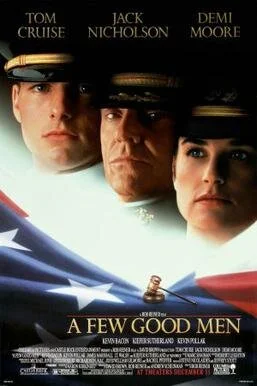
A_Few_Good_Men_poster.jpg

A Few Good Men (1992)

Mac Boyle September 27, 2020

Director: Rob Reiner

Cast: Tom Cruise, Jack Nicholson, Demi Moore, Kevin Bacon

Have I Seen it Before: Oh, sure.

Did I Like It: Again, sure. I’ve been watching a lot of film adaptations of stage plays lately, and incidentally the film an television work of Aaron Sorkin as well. Now, the Venn diagram collapse in on itself, and I’m thinking it may be the best of both worlds.

Reiner does the needed work to actually adapt the material for the screen. Far too many plays turned into films never rise above their claustrophobic trappings, but I never feel that way watching this film, even in the courtroom scenes, where it all could have been forgiven. I’ve never had the pleasure of seeing a live production of the story, and it’s been several years since I’ve read Sorkin’s original stage play, but my faint memory seems to think there is very little lost in the adaptation, and the scope of the story is somehow increased.

Sorkin’s work here is superlative as well. It’s terrible to say, but I do wonder if the author had ever recovered creatively from gaining sobriety nearly twenty years ago. The TV and movies he has written since then have had a very similar quality, with him even repeating certain turns of phrase as if he’s trying to strike the match of his true genius without poisoning his body at the same time. This effort, however, is Sorkin at his hungriest. While the stage play had enjoyed some positive reviews during its broadway run, he was far from the go-to man for Oscar bait screenplays. He wrote this on cocktail napkins during bar tending stints for La Cage Aux Folles. There was no guarantee of success. No sign of future writing work. He was hungry, and it showed.

It’s probably impossible to make him hungry again. He can run slightly afoul of his glory days in television, but he simply chooses not to write for television anymore. I don’t think he should go back on cocaine, but there’s got to be a better way to harness what he had before.

Tags a few good men (1992), rob reiner, tom cruise, jack nicholson, demi moore, kevin bacon
Comment
220px-The_Social_Network_film_poster.png

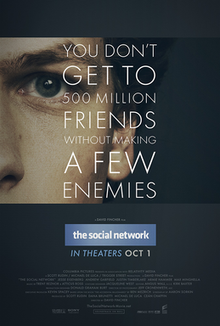
The Social Network (2010)

Mac Boyle September 27, 2020

Director: David Fincher

Cast: Jesse Eisenberg, Andrew Garfield, Justin Timberlake, Armie Hammer

Have I Seen It Before?: Sure.

Did I like it?: I’ve been taking a deep dive into the works of Aaron Sorkin recently. For some, that feels like a chore, but he’s always had a certain cadence and a certain type-a workaholic streak running through his work that appeals to me even in the more bewildering parts of Studio 60 of the Sunset Strip. For all of its flaws, I think I like The Newsroom, and really think a couple of extra seasons would have pissed all of the correct people off in all the right ways.

So, why did he make a movie about the invention of Facebook. What’s more, why would he make it focus not on the work of actually creating the site (that is largely act 1 material here), and instead focus on the myriad lawsuits brought about by the people that were almost involved. Sorkin is at his best when he is focusing on people—perhaps unrealistically—doing great work. And those lawsuits don’t end up with any kind of cathartic moment. How did the man who made his bones on A Few Good Men (1992) end up writing a movie that lives and dies in depositions?

Come to think of it, why would anyone want to make a movie about Zuckerberg (Eisenberg) and company? As I write this review, I come to the realization that I may not like the movie that much. It is slick and stylish, frequently amusing, but the core doesn’t quite work. Every character fails to get the things they truly wanted. The Winklevi (Hammer) get a quiet settlement and a sixth-place finish in the Olympics. Sean Parker (Timberlake) gets a one-way ticket to obscurity. Eduardo (Garfield) gets a little bit of money, but he’s a footnote in the history of the site but doesn’t get to be a player with it anymore. Even Zuckerberg, in true Michael Corleone or Charles Foster Kane fashion gets much of what he wanted but leaves a trail of injury in his wake. He is still waiting for the friend request from the girl that launched a thousand lines of code.

One might call that a tragedy, but what about it is tragic? Not one character meets their end. All of them are wealthy to the point where their great-grandchildren are unlikely to have to worry about money. Whatever injury they endure in the process of the film’s story will either be healed (or won’t) in the fullness of time. I can’t imagine the money won’t help them forget, or at least give them the opportunity to find and fund new avenues of misery. Much of this film, between Sorkin and Fincher’s work is pleasing, but none of it adds up. It makes one wish they had chosen some other subject.

Tags the social network (2010), david fincher, jesse eisenberg, andrew garfield, justin timberlake, armie hammer
Comment
220px-War_of_the_Worlds_2005_poster.jpg

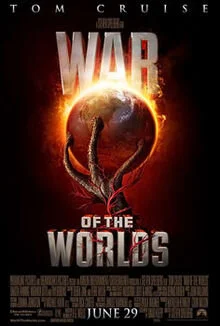
War of the Worlds (2005)

Mac Boyle September 20, 2020

Director: Steven Spielberg


Cast: Tom Cruise, Dakota Fanning, Miranda Otto, Tim Robbins


Have I Seen it Before: Yes.


Did I Like It: Recently, I’ve been reading up on UFOlogy, for reasons. A chapter in the book I’m looking at currently (which isn’t very good) takes a turn into the War of the Worlds broadcast of 1938. Naturally, I have some thoughts on that subject. However, in this book I was kind of mystified that the incident was only looked at through the prism of its effect on mass hysteria, which is incidentally somewhat disputed in recent discussions of the incident… That doesn’t really have anything to do with UFOlogy, so why are they discussing it?


Then again, that preceding paragraph has nothing to do with the film we’ve come here to discuss. Why am I bringing it up? The author of that book brings up actor Frank Readick, but not Orson Welles? I mean, really?


This film is far more in tune with the most famous adaptation of the original H.G. Wells novel. That’s the connection. Welles put his Martian invaders in the heart of New Jersey, and so does Spielberg. I like that a lot. Otherwise, the film is that interesting beast of being two seemingly disparate things. It is after the original era of Spielberg’s heyday. Let’s call it the true Amblin era. Close Encounters of the Third Kind (1977). E.T. The Extra-Terrestrial (1982). Jurassic Park (1993). He now almost exclusive works in prestige drama. Schindler’s List (1993). Amistad (1997). The Post (2017) comes to mind as a recent example. This film, along with his other Tom Cruise collaboration, Minority Report (2002), takes place in that later era, but is still high-concept genre entertainment. 


It’s almost as if this film is the spiritual successor to Close Encounters, now that I think about that. The earlier film featured a man shedding all parental obligation in light of visitors from another world. Every interview I’ve ever seen with Spielberg on the subject of Close Encounters indicates he regretted that move, and this is his atonement*.

*I’m very tempted, but ultimately thought better of ending this review wondering if he will ever atone for Indiana Jones and the Kingdom of the Crystal Skull (2008), especially now that he won’t be directing the next film in the series. It felt too snarky, especially in the context of a review for a film I legitimately enjoyed. Also, that film would be an example of a full-throttle attempt to go back to the Amblin era, and we all know how that worked. So, now it will be a footnote.

Tags war of the worlds (2005), steven spielberg, tom cruise, dakota fanning, mirando otto, tim robbins
Comment
Buffy_The_Vampire_Slayer_Movie.jpg

Buffy the Vampire Slayer (1992)

Mac Boyle September 20, 2020

Director: Fran Rubel Kuzui


Cast: Kristy Swanson, Donald Sutherland, Rutger Hauer, Luke Perry


Have I Seen it Before: Yes…


Did I Like It: Here’s the thing. I’ve increasingly been of the opinion that some media properties have one form where they work best. Ultimately, Star Trek works at its best when it is a TV show, although there are some exceptions. Batman is best served, most consistently by comic books. Why anyone thought Transformers work beyond action figures will be beyond me, and yes, I am including cartoons there.


So, too, that it is impossible to view this movie as anything other than a good idea still waiting for its format. It’s easy to say that, as we did get this story in a far more dynamic format as a television series. The mythology (which at first blush is pretty silly) can be explored deeper. We can come to like the characters. We can tell stories different than the flimsy one involving Lothos (Hauer).


Here, things seem incomplete. Some of the wit that Whedon brought to the TV series is here, but it’s ancillary to the desperate need of the studio to force this idea into the package of an innocuous teen comedy of the early 90s. Almost none of the feminism* that becomes the core of the series is here, content instead to make the “this blonde valley girl is going to save us all” joke prop up the whole affair.


Ultimately, the idea works better as a TV show.


But, to be fair, there is that scene (really a litany of them, including a post-credit tag) where Amilyn (Paul Reubens) keeps reacting to getting staked. Over the years, it is honestly the only part of the film I truly remember, and I’m fairly certain it will only be a matter of time before that’s the only thing rattling around in my brain after this screening fades. It’s that memorable of a movie.


Also: what happened to Pike (Perry)? Does anyone know? Whedon?


*Much can be said about Whedon’s feminist bona fides now, and for that matter his credentials as a decent human being. However, judging the work on its own merits, I’m still content to label the TV show as legitimately feminist, even if the primary author’s intent is suspect.

Tags buffy the vampire slayer (1992), kristy swanson, Donald Sutherland, rutger hauer, luke perry
Comment
  • A Blog About Watching Movies (AKA a Blog in Search of a Better Title)
  • Older
  • Newer

Powered by Squarespace

Party Now, Apocalypse Later Industries

Where creativity went when it said it was going out for cigarettes.

Where creativity went when it said it was going out for cigarettes.